

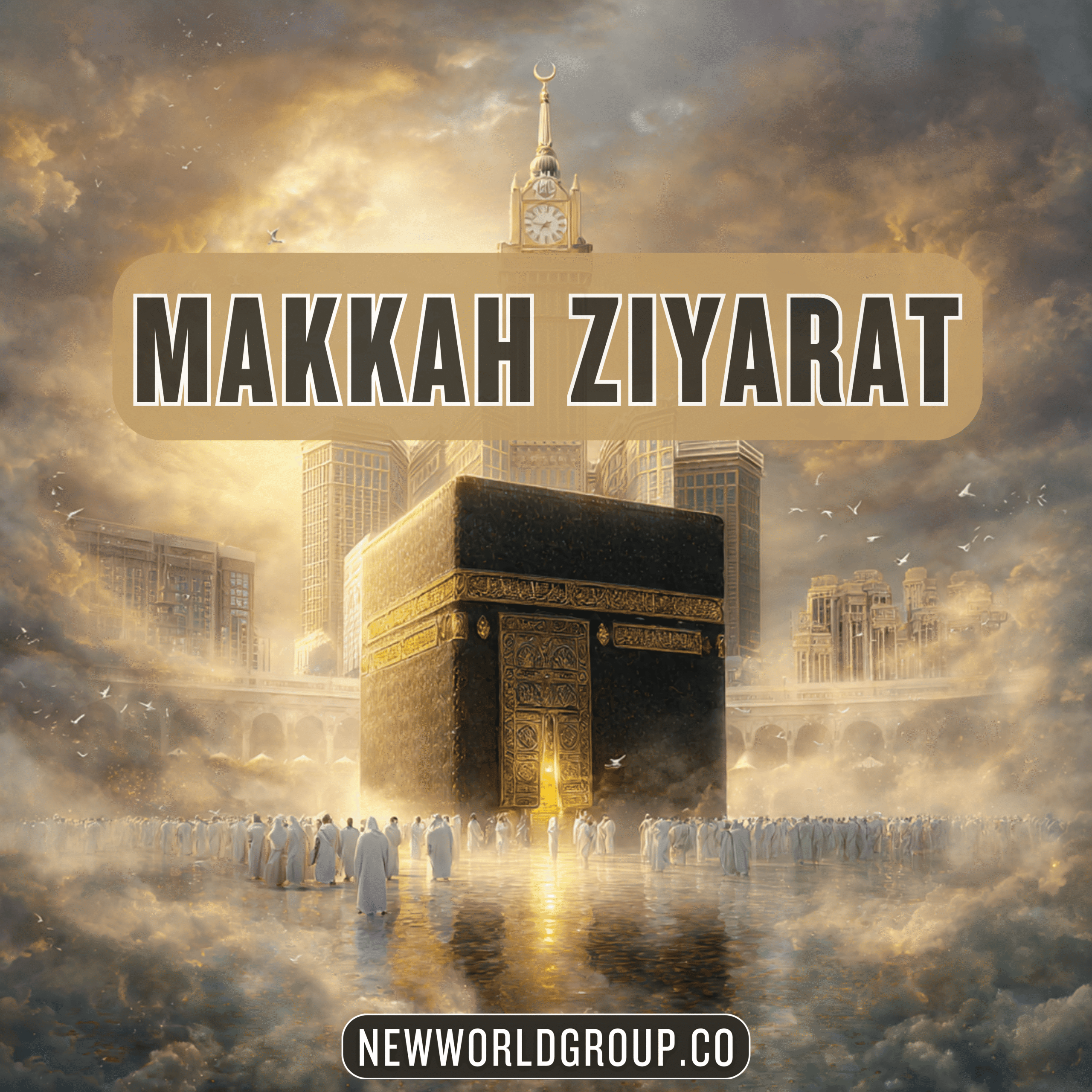
The Sacred Heart of Islam
Makkah, the holiest city in Islam, is not only the birthplace of Prophet Muhammad (PBUH) but also the center of spiritual devotion for millions of Muslims around the world. Every year, believers travel from all corners of the globe to perform Hajj or Umrah — journeys that renew their faith and connect their hearts to Allah. Yet beyond the rituals of pilgrimage lies a deeper spiritual experience — Ziyarat in Makkah — the act of visiting sacred sites that hold immense historical and spiritual significance.
This guide offers an in-depth look into the most revered places of Ziyarat in Makkah, their spiritual meanings, and how each visit strengthens the bond between the believer and their Creator.
Understanding the Meaning of Ziyarat
The Arabic word Ziyarat means “visit” or “pilgrimage.” In Islamic tradition, it refers to visiting holy sites that are connected to the life of the Prophet Muhammad (PBUH), his family, and early companions. Ziyarat is not obligatory but is highly recommended for those performing Hajj or Umrah. It is an act of love, reflection, and remembrance — a way to deepen one’s understanding of Islamic history and seek spiritual blessings.
Each site visited during Ziyarat brings lessons of patience, sacrifice, and unwavering faith, reminding Muslims of the noble legacy of Islam.
Key Ziyarat Sites in Makkah
1. Masjid al-Haram and the Kaaba
The journey begins at the heart of Islam — Masjid al-Haram, the Grand Mosque. It is home to the Kaaba, the sacred House of Allah, towards which all Muslims pray. Performing Tawaf, the act of circling the Kaaba seven times, symbolizes the unity of believers and their devotion to one Creator.
Near the Kaaba lies the Maqam Ibrahim, where Prophet Ibrahim (AS) once stood while building the Kaaba. Praying two rak‘ahs here is a Sunnah that brings immense blessings.
2. Jabal al-Noor (The Mountain of Light)
Jabal al-Noor is one of the most significant mountains in Islamic history. It houses the Cave of Hira, where the first revelation of the Qur’an was sent to Prophet Muhammad (PBUH) through Angel Jibreel (AS). Visiting this site allows pilgrims to reflect on the beginning of divine revelation and the Prophet’s mission to spread the message of Islam. Though the climb is steep, it offers a profound spiritual experience and a breathtaking view of Makkah.
3. Jabal al-Thawr (The Cave of Thawr)
Located south of Makkah, this mountain is known for the Cave of Thawr, where Prophet Muhammad (PBUH) and Abu Bakr (RA) took refuge during the migration to Madinah. The event represents trust in Allah and the triumph of faith over fear. Visiting this site reminds believers of the importance of patience, faith, and divine protection.
4. Jannat al-Mu’alla (The Sacred Cemetery)
Jannat al-Mu’alla is one of the most respected cemeteries in Islam. It is the resting place of many of the Prophet’s relatives, including his mother, grandfather, and beloved wife Khadijah (RA). Standing in this cemetery inspires humility and reflection on life, death, and the eternal journey of the soul. Pilgrims often visit to offer prayers and seek blessings for their loved ones.
5. Masjid Aisha (Masjid at-Tan’eem)
Located a few kilometers from Masjid al-Haram, Masjid Aisha is an important site where pilgrims intending to perform an additional Umrah go to enter into Ihram. Named after Aisha (RA), the wife of the Prophet (PBUH), the mosque serves as a symbol of devotion, renewal, and spiritual purity.
6. Mina, Muzdalifah, and Arafat
Although these places are primarily known for their role in Hajj, they are also spiritually powerful to visit outside the pilgrimage days. Mount Arafat, where the Prophet delivered his Farewell Sermon, reminds Muslims of the equality of all believers and the essence of submission to Allah. Mina and Muzdalifah symbolize patience, sacrifice, and trust — key lessons every pilgrim carries home.
Spiritual Reflections: Beyond the Journey
Ziyarat in Makkah is not just about visiting physical locations; it is about connecting spiritually with the essence of faith. Each step taken in the sacred land offers a reminder of the struggles, sacrifices, and sincerity of the early Muslims. Pilgrims often describe the experience as one of inner cleansing — a renewal of purpose and a deeper awareness of Allah’s mercy.
To make the most of this journey:
-
Approach every site with respect and humility.
-
Reflect on the stories behind each place.
-
Use moments of silence for du‘a and gratitude.
-
Carry the lessons learned back into daily life.

Add comment